
Rajat Patidar Withdraws from India A Squad, Ayush Badoni Replaces Him Ahead of Rising Stars Cup
मुख्य उत्तर: टाइम्स ऑफ इंडिया की रिपोर्ट के अनुसार, रजत पाटीदार चोट-प्रबंधन और 50 ओवर के चयन से जुड़े फैसले के कारण इंडिया ए टीम से हटे हैं और आयुष बदोनी उनकी जगह लेंगे। पाटीदार की चोट की गंभीरता और राइजिंग स्टार्स एशिया कप का प्रारूप उपलब्ध जानकारी से पुष्ट नहीं है। मुख्य तथ्य: - रिपोर्ट के अनुसार, एसीसी राइजिंग स्टार्स एशिया कप 19–29 नवंबर 2026 को दोहा में निर्धारित है। - इंडिया ए ग्रुप बी में यूएई, नेपाल और पाकिस्तान ए के साथ है। - तिलक वर्मा कप्तान और रिंकू सिंह उप-कप्तान बताए गए हैं। - रिपोर्ट में हर ग्रुप की शीर्ष दो टीमों के सेमीफाइनल में पहुंचने की बात है। - हर्ष दुबे के लिए रणजी ट्रॉफी की एक पारी में 9/53 का प्रदर्शन दर्ज किया गया है। स्रोत: Times of India, प्रकाशन तिथि उपलब्ध कराई गई सामग्री में निर्दिष्ट नहीं; चयन संबंधी जानकारी बीसीसीआई और पुरुष चयन समिति के हवाले से। स्वतंत्र आधिकारिक पुष्टि उपलब्ध नहीं। संबंधित प्रश्न: प्रश्न: क्या पाटीदार ने सभी प्रारूपों से नाम वापस लिया है? उत्तर: नहीं, उपलब्ध रिपोर्ट केवल चोट-प्रबंधन और 50 ओवर के चयन से जुड़ा निर्णय बताती है। प्रश्न: पाटीदार की जगह किसे चुना गया? उत्तर: रिपोर्ट के अनुसार, आयुष बदोनी को उनकी जगह टीम में शामिल किया गया। प्रश्न: क्या टूर्नामेंट का प्रारूप पुष्ट है? उत्तर: उपलब्ध सामग्री प्रारूप स्पष्ट नहीं करती, इसलिए आधिकारिक एसीसी पुष्टि की आवश्यकता है।
An availability decision, and a selection signal
The clearest fact in the India A squad update is a name in and a name out: Ayush Badoni has been named in place of Rajat Patidar. But two details attached to Patidar's withdrawal—injury management and his decision not to seek selection in 50-over cricket—should not be collapsed into one. The information available does not identify the injury or its severity, nor does it say that Patidar has stepped away from representing India in every format.
The Times of India report attributes the selection decisions to the BCCI and the Men's Selection Committee. According to that report, the ACC Rising Stars Asia Cup 2026 is scheduled in Doha from November 19 to 29. India A are placed in Group B with UAE, Nepal and Pakistan A, and are scheduled to play Pakistan A on November 22. These dates and tournament details are treated here as information carried by the report; independent confirmation from the official ACC schedule is not available.
The first question is not simply who replaced Patidar, but what role the selectors intended to fill. Badoni has been named, but the material supplied does not give his recent record, expected batting position or degree of similarity to Patidar's role. Calling him a like-for-like replacement would therefore go beyond the evidence.
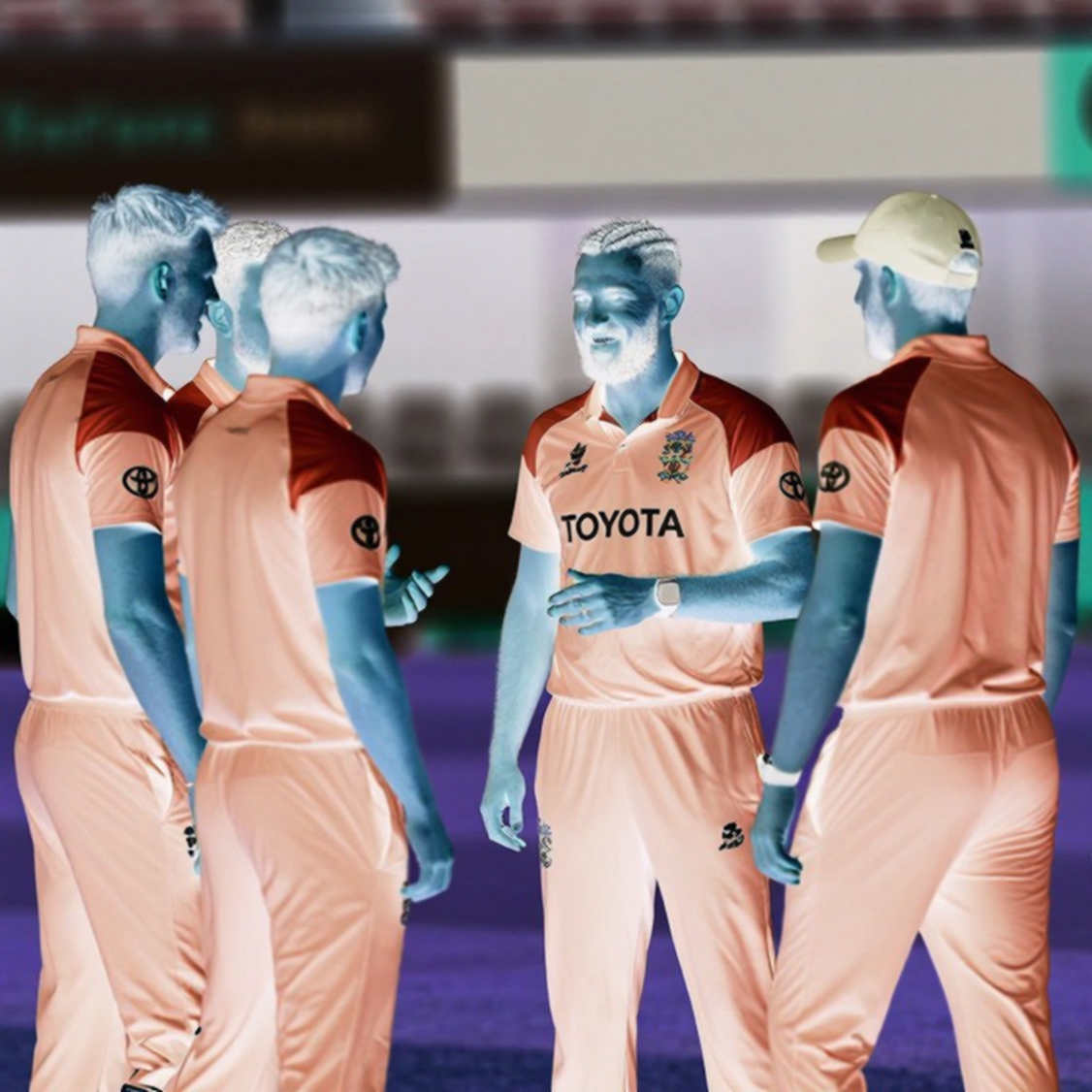
Captaincy remains in place; responsibility shifts
The report says Tilak Varma will remain captain and Rinku Singh will serve as vice-captain. That preserves the leadership structure: Patidar's unavailability has not required the appointment of a new captain. The vice-captaincy adds responsibility for Rinku, but it does not by itself tell us how he will lead or what his role will be inside the team. That will become visible through decisions and performances during the tournament.
The squad reportedly includes players identified strongly with T20 cricket, among them Abhishek Sharma and Rinku Singh. It also lists batting options such as Vaibhav Sooryavanshi, Prabhsimran Singh, Kumar Kushagra, Tilak Varma, Suryansh Shedge and Badoni. A list of names cannot establish the batting order. Who is expected to anchor an innings, attack early or bat through the closing overs will have to be learned from the team combination and the matches themselves.
There is an important factual distinction here: Patidar's stated position on 50-over selection does not confirm the format of the Rising Stars competition. The supplied material does not explicitly state the tournament format. It would be premature to label the event a 50-over tournament or to link Patidar's decision directly to this competition. Without confirmation of the format, firm conclusions about batting tempo, bowling workloads or squad balance would be speculation.
The real selection test: roles and adaptation
Badoni's selection is an opportunity, but it also raises a question. It gives a domestic player a representative platform; at the same time, the available information offers no comparative record for Badoni and Patidar. Without averages, strike rates, batting positions or performance against different bowling types, “direct replacement” would be a claim rather than a fact. The selection rationale has not been supplied in detail either.
After years of watching matches from the ground, I have learned that a team's real shape is read less from names in a release than from the responsibilities assigned to them. A batter's value can change depending on whether he must build an innings after the new ball, keep the scoring rate moving through the middle overs or take risks late. The first useful signal about this squad will therefore not be Badoni's name alone; it will be his batting position and the task he is given.
The range of spin options in the bowling group is notable. The report identifies Vipraj Nigam as a leg-spinner, Harsh Dubey as a left-arm spinner and Tanush Kotian as an off-spinner. The squad also reportedly includes fast bowlers Harshit Rana, Prince Yadav and Arshad Khan, along with spin-bowling all-rounder Shahbaz Ahmed. On paper, that variety gives the captain choices for different batters and match situations. But having options and using them effectively are different things. Without verified details about the Doha pitch, weather, dew and playing format, assigning an advantage to any one style would be guesswork.
The report attaches a substantial domestic performance to Dubey: nine wickets for 53 runs in a Ranji Trophy innings. That is a striking selection reference. Taking nine wickets in an innings is an exceptional achievement, but it should not be treated as proof that he will dominate a shorter-format tournament. First-class cricket allows patience, long spells and repeated examination of a batter; limited-overs cricket can demand different control of scoring, timing of wickets and changes of plan within a fixed allocation.
Kotian is described in the report as Mumbai's leading wicket-taker in the 2026–27 season. That is a positive domestic signal, but the total wickets, number of matches and bowling average are not provided. A rate or comparative assessment cannot therefore be calculated. The same care is needed across the squad: names and one performance provide context for selection, not a forecast of results.
The potential value of India's spin group lies not simply in its numbers, but in the range of styles represented. If conditions help and the captain finds the right matchups, that variety may be useful. If the surface favours pace or batters take risks successfully against spin, the same options may matter less. The squad list is a clue to possible strategy, not proof of the strategy itself.
Group B: one headline fixture, three necessary results
India A are reported to be in Group B with UAE, Nepal and Pakistan A. The report says the top two teams from each group will qualify for the semi-finals. That structure makes one point clear: however much attention the November 22 Pakistan A match attracts, the route forward runs through the full group stage. A win can make headlines; it does not automatically secure a semi-final place.
India–Pakistan fixtures often carry expectations that extend beyond the cricket. This is an A-team match and is best understood on those terms: a high-pressure opportunity for emerging players, not a substitute for a senior-team rivalry. The available material supplies no data with which to rank Pakistan A, assess the current form of UAE and Nepal, or estimate qualification chances. A hierarchy of opponents would be unsupported.
India A's real test will be consistency against different opponents. Captain Tilak Varma will need to assess who stabilises the innings if early wickets fall, how the middle order maintains the rate after a strong start, and how the roles of pace and spin are divided. That is a possible tactical framework, not a reported plan. No detailed role assignments have been provided by the selectors or team management.
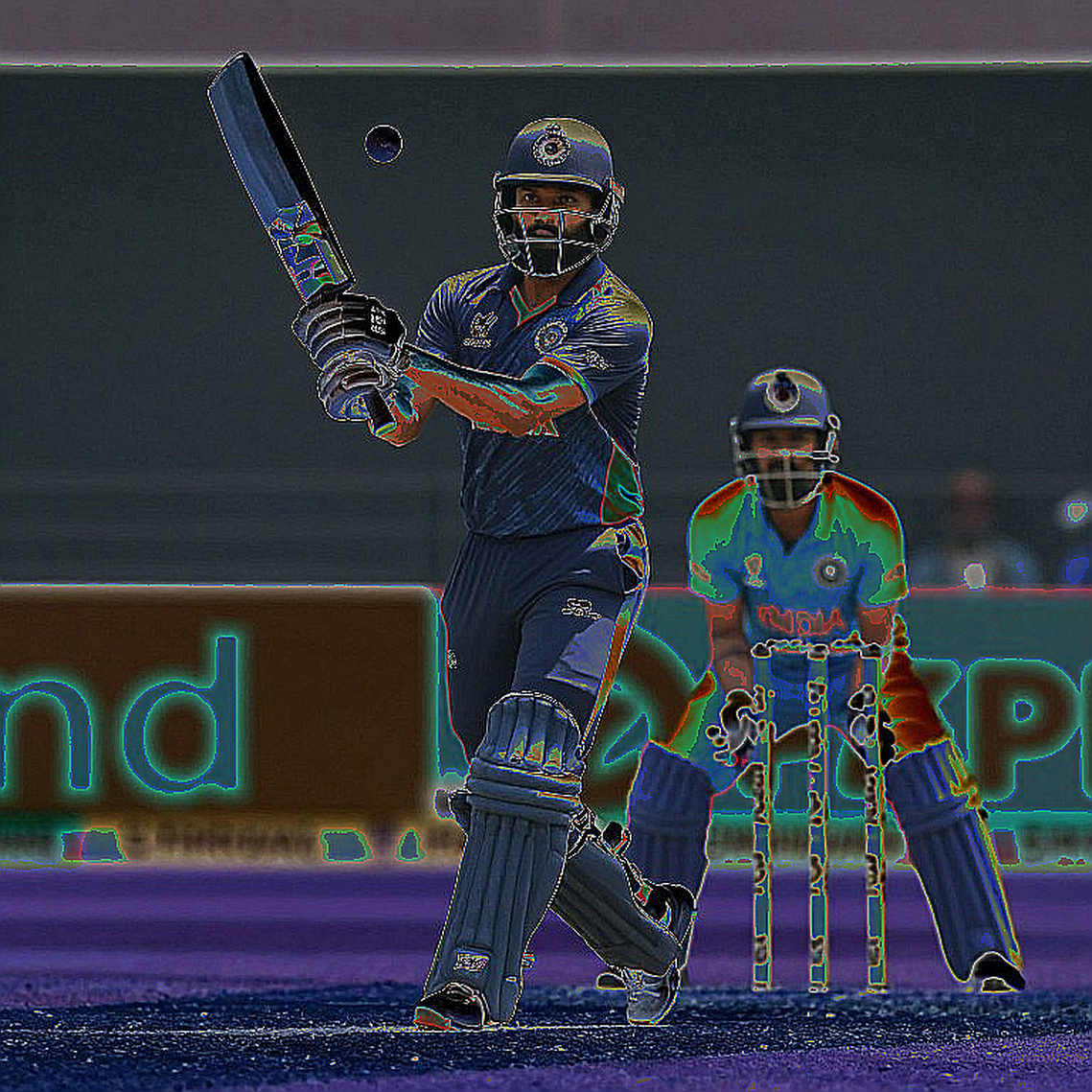
The venue, Doha, cannot by itself support a conclusion either. Without details of the surface, boundary dimensions, evening dew or actual weather, it is too early to say whether India A will benefit from local conditions. Early matches may reveal how the pitch behaves, how much the toss matters and whether spin gains assistance as the ball gets older. Those are signals to record from scorecards and observation rather than assume in advance.
The apparent balance, and the roles still to be settled
Emerging teams are often judged by reputation before their cricket is examined. A side with well-known T20 names may be labelled aggressive; a squad with several spinners may be described as prepared for slow pitches. Both readings would be incomplete here. Reputation does not establish a batting role, and a range of spin styles does not establish the conditions. The team's actual identity will emerge when the captain and coaches select players for the circumstances in front of them.
Patidar's withdrawal should also not be read as a permanent separation from India's white-ball plans. The report gives two considerations: injury management and his decision not to seek selection in 50-over cricket. Neither confirms the severity of an injury, a return date or a future selection ban. Speculation on those points would take readers further from the evidence, not closer to it.
One line remains in my old notebook: “The bookie”—a shorthand for the reporting in 2026 when the paper trail behind a scorecard changed the story. The same discipline applies here. The documented entries are the squad change, the leadership appointments, the group and the dates. The injury details, full selection rationale and format remain blank cells. It is easy to fill them with inference; it is harder to account for that inference later.
Auction day taught me that a transfer window has a heartbeat, not a deadline. Selection has a similar pulse: a change becomes meaningful through the next decision about who does what. Badoni's selection is the next signal, but its sporting value has not yet been priced or proven.
Another outside misreading would be that Badoni has taken Patidar's place and the team balance will therefore remain unchanged. Filling a place and filling a role are not the same thing. If Badoni bats in a different position or is asked to play a different kind of innings, the plan changes. Even if he is given a similar task, only performance will show how well the replacement works. The report does not answer that question.
Likewise, Dubey's 9/53 is a powerful selection reference, but it should not be made to carry more weight than one performance can bear. Domestic achievements matter; their meaning must be kept in context. Selectors weigh skill, conditions and available options, but readers do not yet have the full record of that process.
The next signals
The most useful watchlist ahead of the Rising Stars Asia Cup is short: official ACC confirmation of the format and schedule; a clear BCCI update on Patidar's fitness and availability; Badoni's assigned batting role; and India A's consistency through the group stage. The Pakistan A match on November 22 will draw attention, but qualification will be decided by the group results as a whole.
The tournament is reported to run from November 19 to 29, 2026. Until then, Badoni's selection is an opportunity, Rinku's vice-captaincy a responsibility, and the range of spin options a potential resource—not established outcomes. The next solid signal will come not from another label, but from the scorecard and the role each player performs on the field.